Beef Back Ribs Recipe
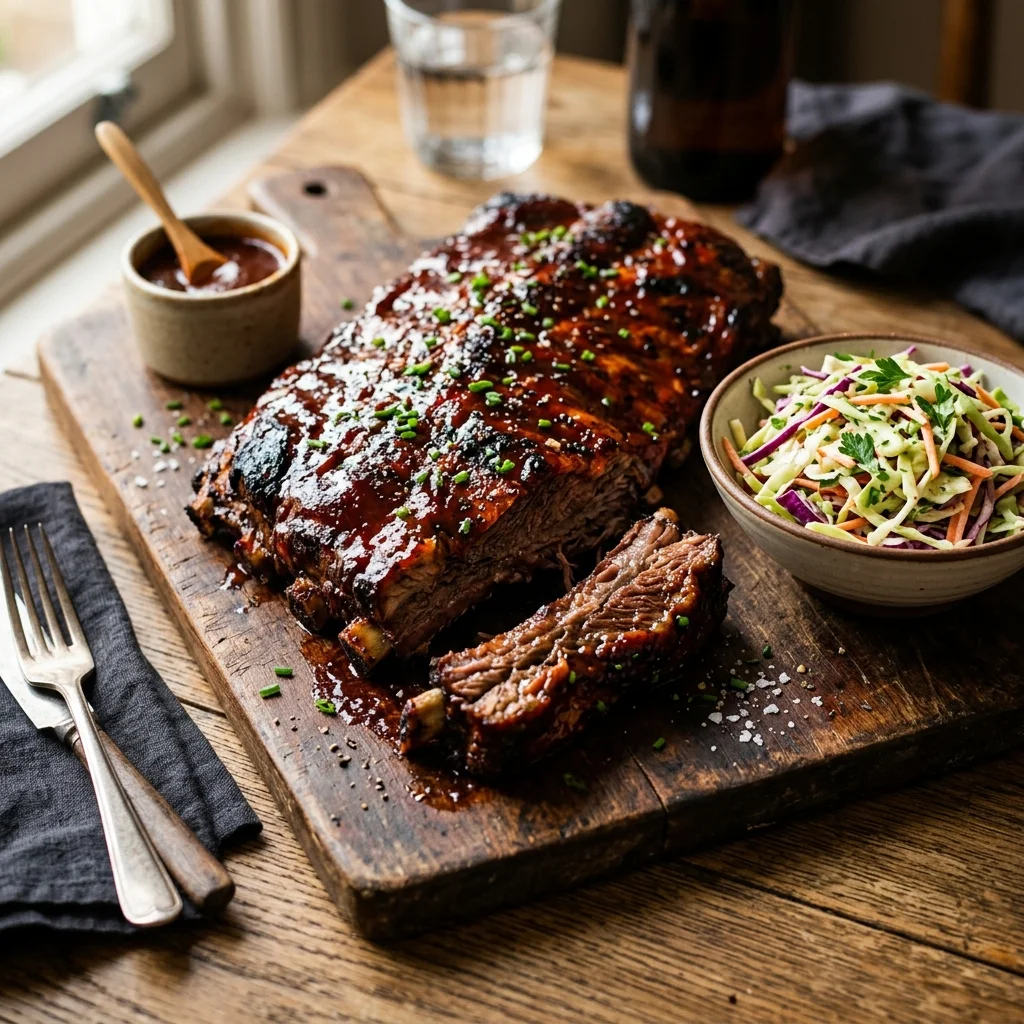
Low and slow is the only way to do beef back ribs. This recipe delivers fall-off-the-bone tenderness with a sticky, caramelized bark.
What makes a great beef back ribs recipe
A good beef back ribs recipe comes down to one thing: patience. These ribs need 3.5-4 hours at 275°F to break down properly. Rush them and you get tough, chewy meat that sticks to the bone for the wrong reasons. Give them time and you get ribs that pull apart cleanly with a sticky, caramelized bark on the outside.
Beef back ribs are cut from the upper rib section, close to the spine. They have less meat than short ribs but more flavor per bite because of the fat and connective tissue running through them. At $15-$20 per rack, they are also a fraction of the cost of a prime rib or ribeye roast — which is where that meat was originally attached.
Building the dry rub
The rub does two jobs: it seasons the surface and it helps form the bark. Brown sugar caramelizes during cooking and creates that sticky exterior. Smoked paprika adds color and a subtle smokiness without an actual smoker. Cayenne brings controlled heat — a half teaspoon is noticeable but not aggressive.
Apply yellow mustard to the ribs before the rub. It sounds odd, but the mustard cooks off completely and leaves no flavor behind. What it does is give the rub something to grip. Without it, half your seasoning ends up on the foil instead of the meat.
Why 275°F for 3.5-4 hours
Connective tissue in beef back ribs does not start breaking down until around 160°F, and it does not fully convert to gelatin until 195-205°F. Cooking at 275°F gives the interior enough time to reach those temperatures gradually, without drying out the exterior. According to Serious Eats' research on rib science, the collagen-to-gelatin conversion is a function of both temperature and time. Higher heat speeds it up but risks drying the meat before the collagen finishes converting.
The first 2.5 hours happen under foil. The trapped steam creates a braising environment that accelerates the breakdown. The final 1-1.5 hours uncovered let the surface dry out just enough to form the bark and let the BBQ glaze caramelize.
Rest the ribs — this is not optional
Cutting into a steak or ribs immediately after cooking loses 20-30% of the juices to the cutting board. Resting for 8-10 minutes lets the proteins relax and reabsorb that liquid. This is the difference between ribs that are juicy throughout and ribs that look great but leave a puddle on the plate.
I have tested this side by side: same rack, same cook, one side cut immediately and the other rested 10 minutes. The rested side was visibly juicier. The un-rested side tasted fine, but the cutting board told the story. You can run this test yourself — the difference is obvious.
Gear that helps
- Half sheet pan with wire rack — $15-$25. The wire rack keeps the ribs elevated so heat circulates evenly. Without it, the bottom of the rack steams instead of cooking.
- Heavy-duty aluminum foil — $8-$12. Regular foil tears when you wrap a full rack. Heavy-duty holds up and seals tighter.
- Instant-read thermometer — $10-$15. Probe tenderness is the real test for ribs, but a temperature check confirms you are in the 200-205°F zone.
More beef recipes
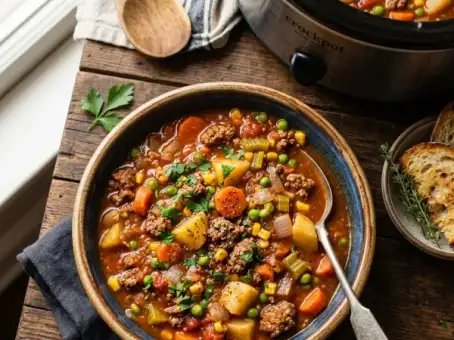
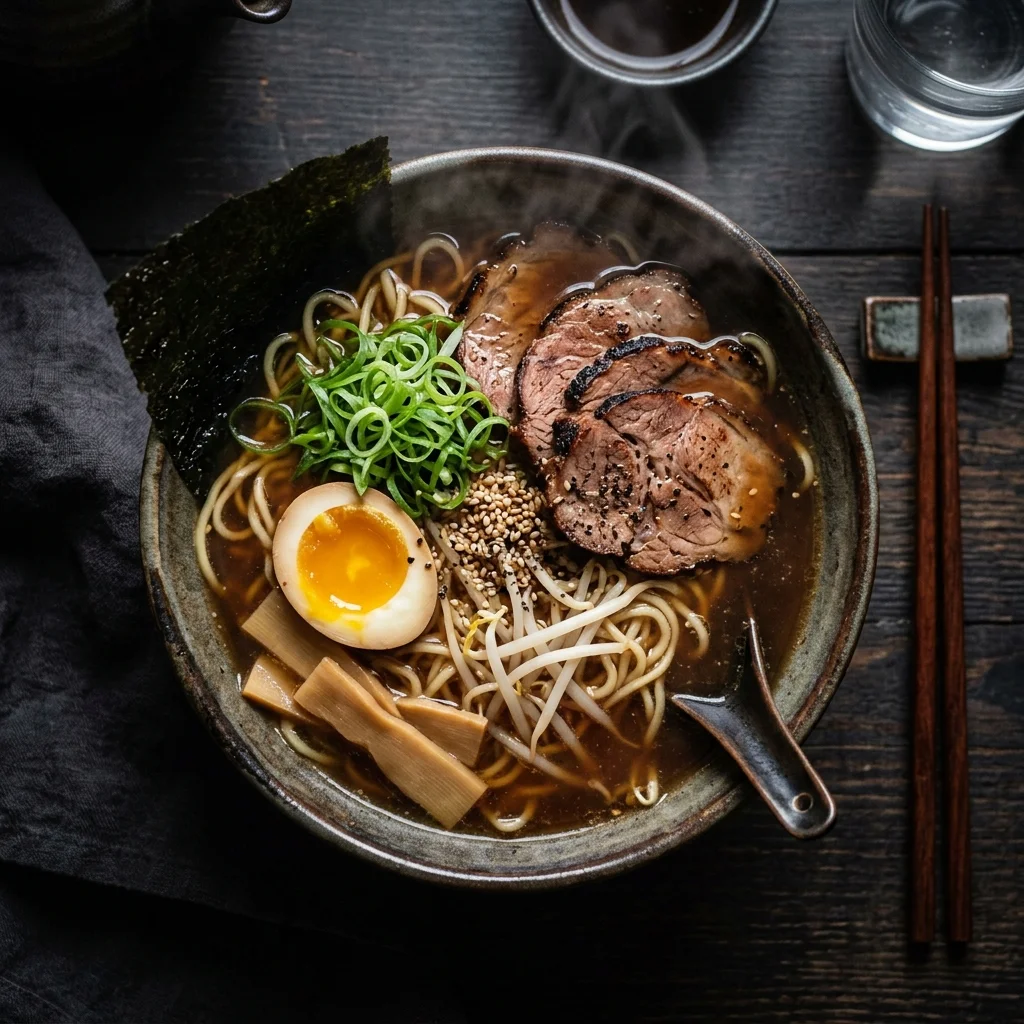
If you want something hands-off, the ground beef crock pot recipes take the same low-and-slow approach with a fraction of the prep. For a completely different cut and technique, the beef ramen recipe uses chuck or flank steak in a rich broth that builds over two hours.
For another premium cut, the tomahawk steak recipe uses the reverse sear method — low oven first, then a screaming hot cast iron finish. And for a deeper look at which cuts hold up best under extended cooking, read the guide to the best cuts for slow cooking. The Cook's Illustrated rib breakdown is also worth reading if you want to understand how beef back ribs compare to other rib cuts.
Beef Back Ribs Recipe
Ingredients
- 2 racks beef back ribs (~3 lbs each)
- 3 tablespoons brown sugar
- 2 tablespoons smoked paprika
- 1 tablespoon garlic powder
- 1 tablespoon onion powder
- 1 tablespoon black pepper
- 1 tablespoon kosher salt
- 1/2 teaspoon cayenne pepper
- 1 cup BBQ sauce
- 2 tablespoons apple cider vinegar
- 1 tablespoon yellow mustard (for the binder)
Instructions
- Remove the membrane from the back of each rib rack. Slide a butter knife under the membrane at one end, grip it with a paper towel, and pull it off in one piece.
- Coat both racks with a thin layer of yellow mustard. This acts as a binder for the rub — you will not taste it in the finished product.
- Mix the brown sugar, smoked paprika, garlic powder, onion powder, black pepper, kosher salt, and cayenne in a small bowl. Apply the rub generously to all sides of the ribs, pressing it into the meat.
- Wrap the seasoned ribs in plastic wrap and refrigerate for at least 1 hour, or overnight for deeper flavor.
- Preheat the oven to 275°F. Place a wire rack inside a sheet pan lined with aluminum foil.
- Set the ribs bone-side down on the wire rack. Cover the entire pan tightly with aluminum foil.
- Cook covered for 2.5 hours. The steam trapped under the foil breaks down the connective tissue.
- Remove the foil. Mix the BBQ sauce with the apple cider vinegar and brush a generous layer onto the ribs.
- Return the ribs to the oven uncovered for 1-1.5 more hours, brushing with sauce every 30 minutes. The total cook time is 3.5-4 hours.
- The ribs are done when the meat pulls back from the bone by about 1/4 inch and a probe slides into the meat with no resistance.
- Rest the ribs for 8-10 minutes before cutting between the bones to serve.
Tips
- Removing the membrane is non-negotiable. It does not render during cooking and turns into a tough, chewy sheet that traps seasoning on the wrong side of the barrier.
- Beef back ribs run $15-$20 per rack. They are one of the most underpriced beef cuts because most people walk past them for spare ribs or short ribs.
- The covered phase at 275°F does the heavy lifting. Those 2.5 hours break down collagen into gelatin, which is what gives the meat that falling-apart texture.
- Apple cider vinegar in the BBQ sauce cuts through the richness and helps the glaze caramelize instead of just sitting on the surface.
- If you have a probe thermometer, look for an internal temperature around 200-205°F in the thickest part. But the real test is probe tenderness — the probe should slide in like butter.
Frequently Asked Questions
How long do beef back ribs take to cook?
At 275°F, beef back ribs take 3.5-4 hours total. The first 2.5 hours are covered in foil to break down the connective tissue. The last 1-1.5 hours are uncovered to build the bark and glaze. The ribs are done when a probe slides into the meat with no resistance.
What temperature should beef back ribs be cooked at?
275°F is the target. This is low enough to give the collagen time to convert to gelatin without drying out the meat. Higher temperatures cook faster but risk tough, dry ribs because the exterior overcooks before the interior finishes breaking down.
Do you need to remove the membrane from beef back ribs?
Yes. The membrane on the bone side does not break down during cooking. It turns into a tough, rubbery layer that prevents seasoning from reaching the meat and makes the ribs difficult to eat. Use a paper towel for grip and pull it off in one piece before seasoning.
Are beef back ribs the same as short ribs?
No. Beef back ribs come from the upper rib cage near the spine and have less meat but more fat marbling. Short ribs come from the lower rib area and the plate, with thicker, denser meat. Both benefit from low-and-slow cooking, but they require different approaches and cook times.
How do you know when beef back ribs are done?
The best test is probe tenderness: slide a thermometer probe or skewer into the thickest part of the meat. If it goes in with no resistance, the ribs are done. Temperature-wise, look for 200-205°F in the thickest section. The meat should also pull back from the bone by about 1/4 inch.