Smoked Salmon Recipe
Hot-smoked salmon with a maple-soy glaze. The brine keeps it moist, the smoke gives it depth, and the glaze adds a touch of sweetness.

How to smoke salmon at home
A good smoked salmon recipe starts with the brine. Dissolve 1/4 cup kosher salt and 1/4 cup brown sugar in 4 cups of water, soak the fillets for 4-8 hours, then smoke at 225°F until the internal temp hits 125°F. The whole process takes about 6 hours from start to plate, but most of that is hands-off waiting.
The brine does two things: it seasons the fish all the way through and it changes the protein structure so the salmon holds onto moisture during the long, low smoke. Without it, you end up with dry, chalky fish. The maple-soy glaze goes on in the last 15 minutes — just enough time to caramelize without burning.
Why the pellicle matters
After brining, you need to let the salmon sit uncovered in the fridge for 1-2 hours. This dries the surface and forms a sticky layer called a pellicle. Smoke compounds bind to this tacky surface. Without it, the smoke flavor stays shallow and the exterior looks pale instead of that deep amber color you want.
I skipped this step the first few times I smoked salmon. The difference was obvious. The pellicle takes patience, but it is the single biggest factor in how the finished product looks and tastes.
Fresh vs. frozen salmon
Most "fresh" salmon at the grocery store was frozen on the boat, shipped across the country, and thawed for display. By the time you buy it, the clock has been running for days. Buying frozen and thawing it yourself means you control when that clock starts. Wild-caught frozen salmon at $10-$14/lb frequently outperforms $16-$20/lb "fresh" salmon from the fish counter. The price difference of $4-$6/lb adds up, and the quality is equal or better.
That said, if you have access to genuinely fresh, never-frozen salmon from a local fishmonger, use it. The point is that "fresh" on a supermarket label does not mean what most people assume.
Temperature and timing
Smoke at 225°F for 45-60 minutes per inch of fillet thickness. A standard 1-inch fillet takes about an hour. Thicker cuts need more time — use an instant-read thermometer instead of guessing.
Pull the salmon at 125°F for a moist, slightly translucent center. The USDA safe temperature is 145°F, which gives you a fully cooked, firmer texture. Both are valid choices. I prefer 125°F because the residual heat during resting carries it up another 5-10 degrees anyway.
My first attempt at smoking fish involved a stovetop smoker and every smoke detector in the house going off at once. A neighbor knocked on the door to check if something was on fire. The salmon was actually good, but I now only smoke outdoors.
Choosing wood chips
Alder is the traditional choice for salmon. It produces a mild, slightly sweet smoke that does not overpower the fish. Apple wood is a close alternative with a similar flavor profile. Avoid hickory and mesquite — they are too aggressive for fish and will make it taste bitter.
Soak your wood chips in water for at least 30 minutes before adding them to the smoker. This slows the burn rate and produces more smoke with less heat, which is exactly what you want for a low-and-slow cook.
Gear that helps
- Weber Smokey Mountain Cooker — $350-$400. Holds temperature at 225°F for hours with minimal adjustment. The best entry-level charcoal smoker for fish and poultry.
- Alder wood chips (2 lb bag) — $8-$10. Mild, sweet smoke that pairs perfectly with salmon. One bag covers 3-4 smoking sessions.
- Instant-read thermometer — $10-$15. The difference between pulling salmon at 125°F and accidentally cooking it to 160°F. Worth every dollar.
What to serve with smoked salmon
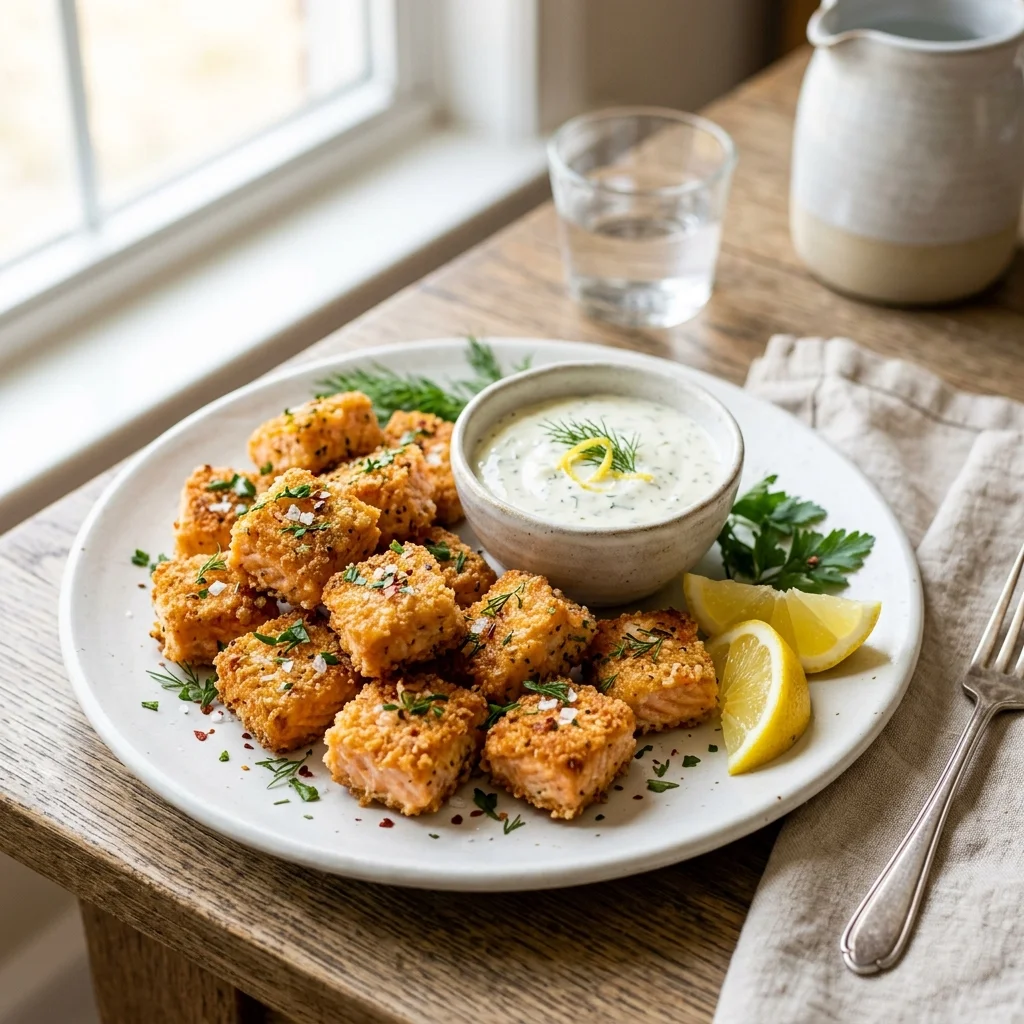
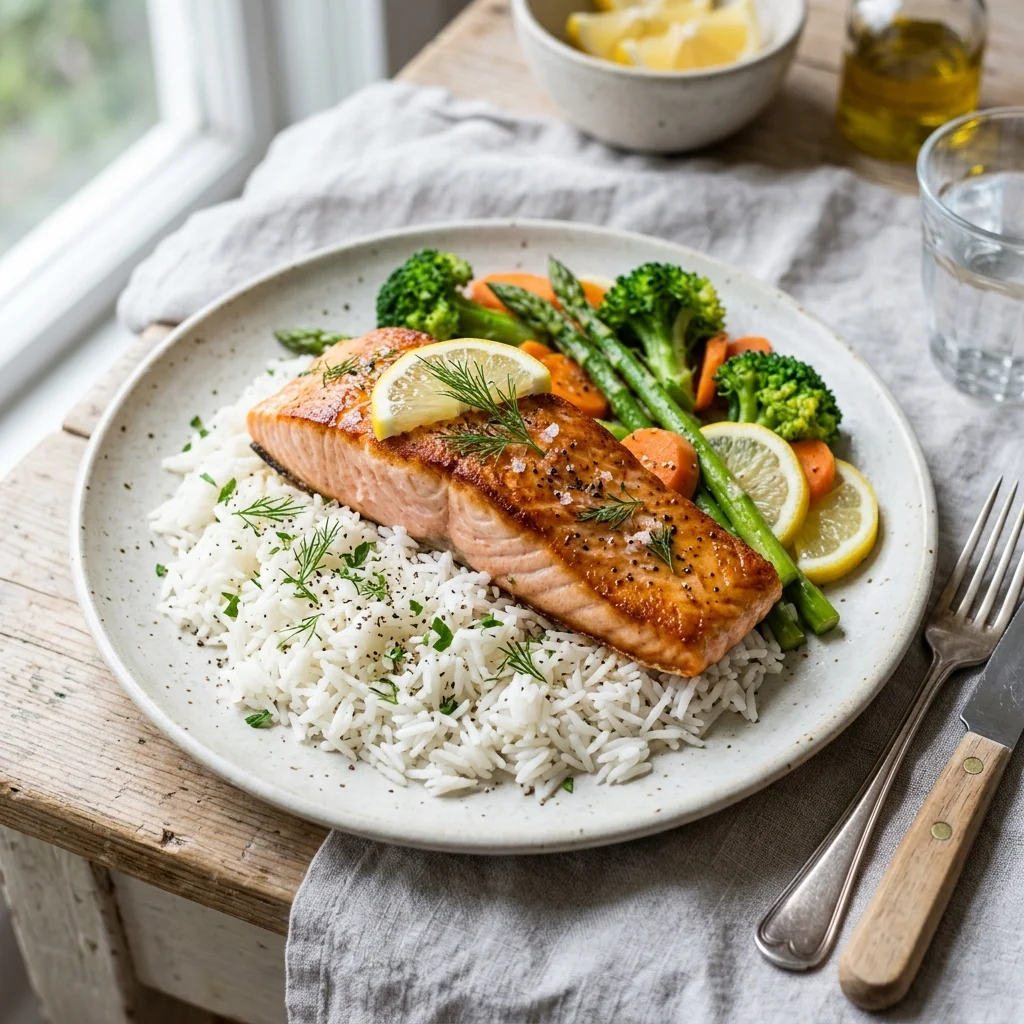
Smoked salmon works as a main course over rice or as part of a spread. Pair it with capers, thinly sliced red onion, cream cheese, and fresh dill on toasted bread for a classic combination. For a full meal, serve it alongside salmon and rice or break leftover smoked salmon into flakes for salmon bites.
If you are new to smoking, the complete guide to smoking salmon at home covers equipment choices, wood types, and troubleshooting in more detail. The brining technique here is the same one I use for brined chicken — scaled for fish with a shorter soak time.
How to store smoked salmon
Wrap smoked salmon tightly in plastic wrap or place it in an airtight container. It keeps in the fridge for up to 5 days. For longer storage, vacuum-seal individual portions and freeze for up to 3 months. Thaw in the fridge overnight — never at room temperature.
According to the FDA's seafood safety guidelines, smoked fish should be kept at 38°F or below and consumed within the recommended window. The USDA's recommended internal temperature for fish is 145°F, though many professional cooks and the Serious Eats food science team note that lower temperatures produce better texture in salmon specifically.
Smoked Salmon Recipe
Ingredients
- 2 lbs salmon fillets, skin-on, cut into 6 portions
- 1/4 cup kosher salt
- 1/4 cup brown sugar
- 4 cups cold water
- 2 tablespoons soy sauce
- 2 tablespoons maple syrup
- 1 teaspoon black pepper
- 1/2 teaspoon garlic powder
- 2 cups alder or apple wood chips, soaked for 30 minutes
Instructions
- Dissolve 1/4 cup kosher salt and 1/4 cup brown sugar in 4 cups of cold water in a large bowl or container.
- Submerge the salmon fillets in the brine, cover, and refrigerate for 4-8 hours.
- Remove the salmon from the brine, rinse each fillet under cold water, and pat dry with paper towels.
- Place the fillets skin-side down on a wire rack set over a sheet pan and refrigerate uncovered for 1-2 hours until a tacky film (pellicle) forms on the surface.
- While the pellicle forms, mix 2 tablespoons soy sauce and 2 tablespoons maple syrup in a small bowl to make the glaze.
- Preheat your smoker to 225°F using soaked alder or apple wood chips.
- Place the fillets skin-side down on the smoker grate and smoke for 45-60 minutes per inch of thickness.
- Brush the maple-soy glaze onto the fillets during the last 15 minutes of smoking.
- Check the internal temperature with an instant-read thermometer — pull at 125°F for a moist, slightly translucent center, or 145°F if you prefer fully cooked throughout.
- Rest the fillets for 5 minutes before serving.
Tips
- The pellicle is not optional. That tacky surface layer helps smoke adhere to the fish. Skip it and the smoke slides right off.
- Alder wood gives a milder, sweeter smoke than hickory or mesquite. Apple wood is a close second. Stick with fruitwoods for fish.
- Brine for a minimum of 4 hours. Going past 8 hours makes the texture rubbery and oversalts the fish.
- Pull at 125°F for the best texture. The USDA recommends 145°F, which is safe but drier. Your call.
- Frozen wild-caught salmon works just as well as fresh. Thaw it in the fridge overnight before brining.
Frequently Asked Questions
How long do you smoke salmon at 225°F?
Smoke salmon at 225°F for 45-60 minutes per inch of fillet thickness. A standard 1-inch fillet takes about an hour. Use an instant-read thermometer and pull at 125°F for the best texture, or 145°F for fully cooked.
Do you have to brine salmon before smoking?
Brining is not technically required, but it makes a significant difference. The salt and sugar solution seasons the fish throughout and restructures the proteins so they hold onto moisture during the long smoke. Without a brine, smoked salmon tends to come out dry.
What is the best wood for smoking salmon?
Alder is the traditional and best choice for salmon. It gives a mild, slightly sweet smoke that complements the fish without overpowering it. Apple wood is a close second. Avoid hickory and mesquite — they produce a harsh, bitter flavor on fish.
Can you smoke salmon from frozen?
Thaw the salmon fully in the fridge overnight before brining. Do not smoke salmon from a frozen state — it will not brine properly and the uneven thawing during smoking leads to inconsistent texture. Frozen wild-caught salmon works just as well as fresh once it is fully thawed.
What internal temperature should smoked salmon reach?
The USDA recommends 145°F for fish. Many cooks, including myself, prefer to pull salmon at 125°F for a moister, more tender result. The residual heat during resting brings it up another 5-10 degrees. Both temperatures are widely used.
How long does smoked salmon last in the fridge?
Properly stored in an airtight container or tightly wrapped in plastic, smoked salmon keeps for up to 5 days in the fridge. For longer storage, vacuum-seal and freeze for up to 3 months.